

Cultivating agriculture that works for the future
Overview Impact:
A Transformation Driven by LIFFT Cashew
FNCAPTC-GB,
The agricultural landscape for more than 11,000 producers in Guinea-Bissau has been fundamentally reshaped through the LIFFT Cashew project, implemented by Shelter For Life (SFL). This strategic partnership has moved our 15 cooperatives operating across the country’s key production zones like Bafatá, Gabú, and Oio from a state of market isolation to a position of commercial strength.
Where it was once a major struggle for Bissau-Guinean farmers to transport and sell their products due to fragmented markets and poor infrastructure, the interventions of LIFFT Cashew have ensured that “everything is fine” today. By bridging critical gaps in rural road connectivity, storage capacity, access to capital, and technical expertise, the project has professionalized the entire value chain. This transformation enables our members to move beyond subsistence farming and into thriving, market-linked businesses that are competitive on a global scale.
KEY STATISTICS
Key Highlights – Latest Fiscal Year (FY 2025)
Total RCN collected: 77,516 tons
Total RCN sold: 77,147 tons
Total sales value: 76,719,000 billion CFA
Number of member cooperatives: 13
Number of farmers reached: more than 11,491
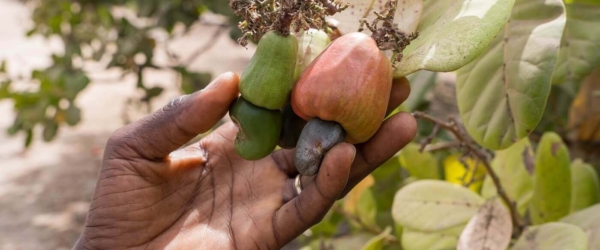
These results confirm the Federation’s vital role in transforming the Bissau-Guinean cashew sector. By leveraging the infrastructure, financial access, and technical training provided through the LIFFT Cashew project by Shelter For Life, we have successfully moved more than 11,000 producers from a period of market isolation to one of sustained growth.
With 15 professionalized cooperatives and record-breaking sales value, we are ensuring that every farmer in our network now has the tools and connectivityfrom rehabilitated rural roads to secure storage warehouses to thrive in the global market.
Dear Comparative Sales Data and Producers Statistics by Cooperative (2024-2025),
Cooperative Name | Sales 2024 (T) | Sales 2025 (T) | Region | Tel/WhatsApp | Number of producers | Contact person | |
3,135 | 5,000 | Cacheu, Guinea Bissau | +245 96 662 81 14 | cooperativabuwendena@gmail.com | 650 | Antonio Preira Batista | |
2,931 | 8,000 | Cacheu,Guinea Bissau | +245 95 595 32 00 | mango_augusto@hotmail.com | 3 200 | Augusto MANGO | |
2,995 | 3,000 | OIO, Guinea Bissau | +245 95 6105789 | cjammansaba2014@gmail.com | Malam Cani | ||
1,789 | 3,000 | OIO, Guinea Bissau | +245 95 5369697 | cooperativaopro2020@gmail.com | 3 000 | Fatumata Camara | |
4,719 | 4,000 | Cacheu, Guinea Bissau | +245 95 555 36 66 | quecuto-augusto@hotmail.com | 600 | Papa Camara | |
12,832 | 10,000 | Cacheu, Guinea Bissau | +245 95 6022413 | agrobigeni@gmail.com | Baciro Mane | ||
3,153 | 3,000 | OIO, Guinea Bissau | +245 95 656 51 77 | wakilare2020@gmail.com | 1 000 | Mamadou Silla | |
10,963 | 12,000 | Cacheu, Guinea Bissau | +245 96 642 77 00 | cooperativalampadadecampo@gmail.com | 1 100 | Indjai Dabo | |
15,320 | 9,000 | Biombo, Guinea Bissau | +245 95 558 56 49 | ndelugan@hotmail.com | 800 | Daniel Ndjanaya Nanque | |
3,199 | 3,000 | OIO, Guinea Bissau | +245 95 5265340 | casma@gmail.com | Baba Sighate | ||
16,604 | 9,000 | Biombo, Guinea Bissau | +245 95 5434869 | coop-ca@gmail.com | Moises Ca | ||
400 | 4,000 | OIO, Guinea Bissau | +245 95 5823849 | buwongktchif@gmail.com | Zacarias Quade | ||
220 | 2002 | Bafata Guinea Bissau | +245 95 570 26 60 | coopganadu@gmail.com | Braima BIAI | ||
13 | 80,042 | 75,000 | 11250 |
Driving Agricultural Success in Guinea Bissau
Localized Support by Shelter For Life (LIFFT Cashew Guinea Bissau)
The transition from historical difficulty to modern success is driven by these specific pillars of support tailored for the Bissau-Guinean context:
-
Infrastructure & Connectivity: The rehabilitation of vital feeder roads particularly in the Bafatá and Gabú regions and the refurbishment of storage warehouses, ensuring that remote Bissau-Guinean farms are linked to the Port of Bissau and that nut quality (KOR) remains high for export.
-
Financial Inclusion: Facilitating access to finance and credit lines within the local financial sector, providing our cooperatives with the liquidity needed to pay producers immediately upon delivery and avoid the “debt-trap” of informal buyers.
-
Capacity Building (GAP): Intensive training in Good Agricultural Practices (GAP) specifically adapted for Guinea-Bissau’s environment to improve tree health, nut size, and overall yield per hectare.
-
Professional Governance: Strengthening the management of our 15 cooperatives, transforming them into transparent, professional business entities capable of managing large-scale commercial contracts and complex export logistics.
-
Collective Marketing: Facilitating group sales which have eliminated the “middleman” struggle, empowering our more than 11,000 producers to negotiate higher prices and secure reliable buyers for their cashew crops on the global market.
Sharing Experience
Learn More About Our Growth & Impact
What technical support do our cooperatives receive?
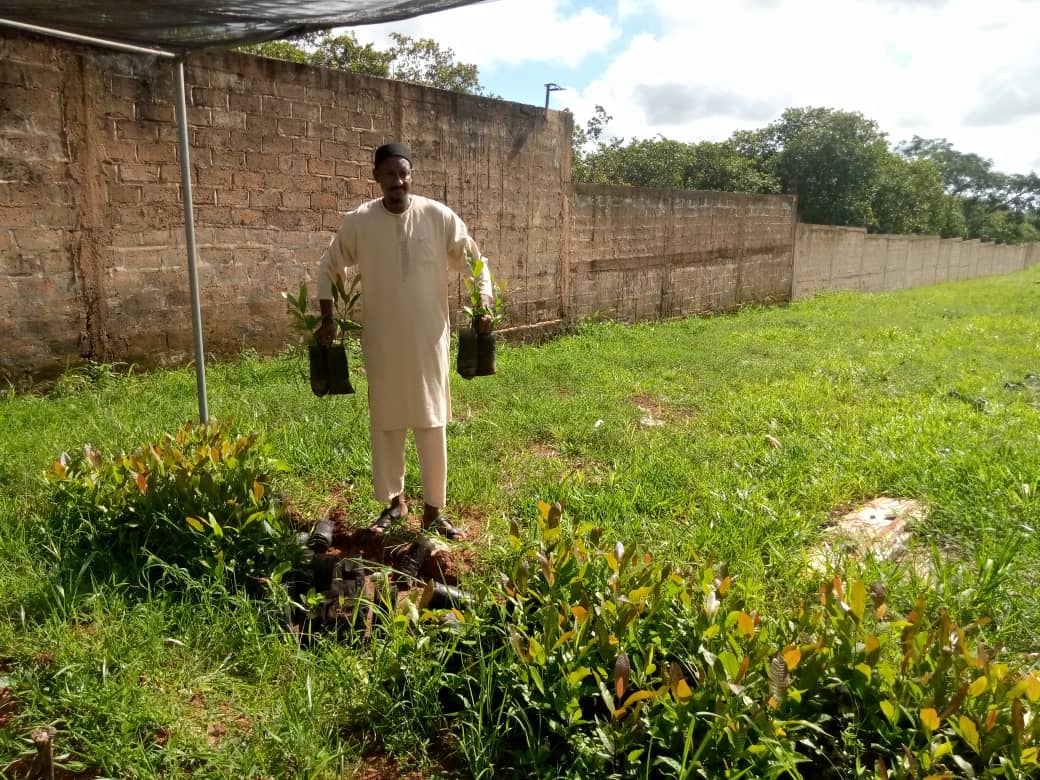
Through the LIFFT Cashew project implemented by Shelter For Life, our 15 cooperatives and more than 11,000 producers receive intensive training in Good Agricultural Practices (GAP) and modern business management. This support is tailored to the Guinea-Bissau context, focusing on improving nut quality (KOR) and establishing high standards of business transparency to ensure our cooperatives are ready for large-scale international trade.
How did we solve market access for more than 11,000 producers?
By collaborating with Shelter For Life through the LIFFT Cashew project, we rehabilitated critical farm-to-market roads and built specialized storage facilities, ensuring that our 13 cooperatives can now aggregate, store, and sell their products efficiently to international buyers.
How is the transition to financial independence being facilitated?
The LIFFT Cashew project facilitates access to finance and credit lines for our 15 Bissau-Guinean cooperatives, allowing them to provide immediate payment to more than 11,000 producers upon delivery. This financial stability eliminates the reliance on predatory middlemen and enables our cooperatives to invest in the equipment and infrastructure necessary to meet our ambitious 2025 sales targets.